
Top 50 Reasons IVF Fails
Complete Medical Guide
IVF failure can occur for many medical, biological, or technical reasons. Understanding these factors can help couples and doctors identify the root cause and improve the chances of success in future IVF cycles.
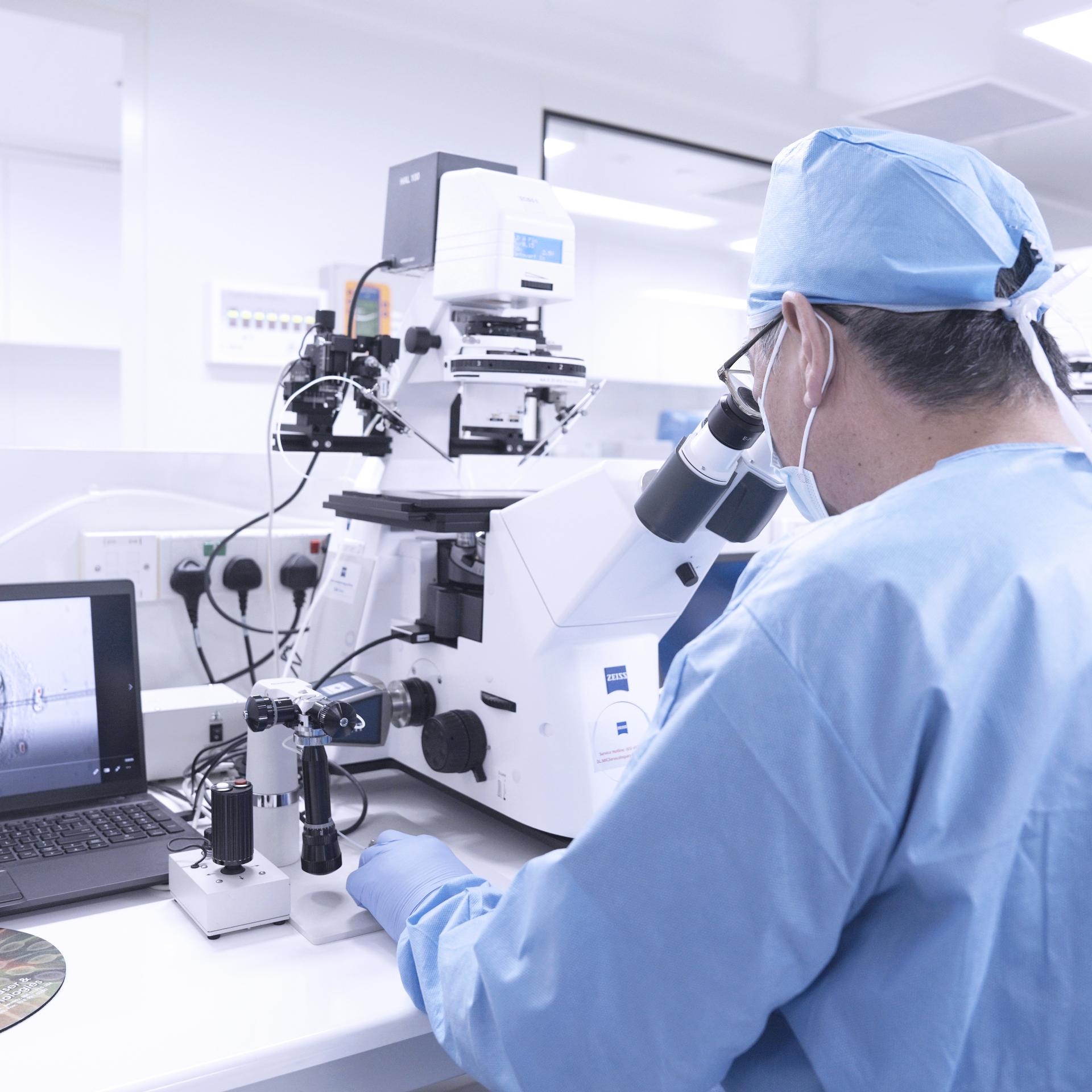
Common Patterns Seen in Failed IVF Cases
After reviewing hundreds of IVF cycles, fertility specialists often notice certain patterns behind repeated IVF failures. Understanding these patterns helps doctors adjust treatment strategies for better outcomes.
Embryos Look Good But Don't Implant
One of the most common scenarios is when embryos appear healthy but fail to implant. This often indicates **uterine receptivity issues, incorrect implantation timing, or immune-related factors.**
Multiple Failed Transfers
Repeated embryo transfer failures may indicate **hidden uterine abnormalities, endometrial inflammation, or embryo genetic issues** that require further diagnostic evaluation.
Good Fertilization But Poor Blastocysts
When fertilization occurs but embryos fail to develop into blastocysts, the underlying cause may be **egg quality problems, sperm DNA damage, or laboratory culture conditions.**
Implantation Followed by Early Miscarriage
Early pregnancy loss after IVF may occur due to **chromosomal abnormalities, hormonal issues, or blood clotting disorders.**
Low Egg Yield During IVF
Poor ovarian response may occur due to **low ovarian reserve, age-related decline, or incorrect stimulation protocols.**
Unexplained IVF Failure
In some cases, IVF failure occurs even when all test results appear normal. Further investigation may reveal **subtle genetic, immune, or metabolic factors.**
Embryo Related Reasons
- Chromosomal abnormalities in embryo
- Poor egg quality
- Embryo fragmentation
- Embryo developmental arrest
- Genetic mutations
- Poor blastocyst formation
- Mitochondrial dysfunction in eggs
- Low embryo viability
- Embryo implantation defects
- Embryo metabolic problems
- Abnormal embryo cell division
- DNA damage in embryo
- Embryo freezing damage
- Improper embryo thawing
- Embryo culture media issues
Uterine & Implantation Factors
- Thin endometrium
- Endometrial inflammation
- Incorrect implantation window
- Uterine fibroids
- Uterine polyps
- Adenomyosis
- Endometrial scarring
- Uterine septum
- Endometriosis
- Chronic endometritis
- Uterine blood flow problems
- Endometrial receptivity defects
- Hormone receptor dysfunction
- Abnormal uterine contractions
- Undiagnosed uterine infection
Hormonal & Metabolic Causes
- Progesterone deficiency
- Thyroid disorders
- PCOS hormonal imbalance
- High prolactin levels
- Insulin resistance
- Hormone receptor abnormalities
- Endocrine system disorders
- Hormonal timing mismatch
- High estrogen levels
- Low ovarian reserve
- Premature ovarian aging
- Poor ovarian response to stimulation
Male Factor Causes
- Sperm DNA fragmentation
- Low sperm motility
- Abnormal sperm morphology
- Genetic sperm abnormalities
- Sperm oxidative stress
- Sperm chromosomal abnormalities
- Sperm mitochondrial dysfunction
- Poor sperm fertilization ability
IVF Laboratory Factors
- Embryology lab environment
- Embryologist skill level
- Culture medium problems
- Temperature fluctuations
- Oxygen level imbalance
- Embryo freezing protocol errors
- Embryo thawing damage
Lifestyle & Health Factors
- Smoking
- Alcohol consumption
- Obesity
- Poor diet
- High stress levels
- Lack of sleep
- Environmental toxins
- Certain medications
Not Sure Why Your IVF Failed?
Our fertility experts can review your IVF reports and help identify possible causes behind your failed IVF cycle.
उम्मीद अभी बाकी है
Expert IVF Review
Personalized insights based on your reports
What To Do After IVF Failure
- Review IVF protocol with specialists
- Perform additional diagnostic tests
- Consider embryo genetic testing
- Improve lifestyle and health factors
- Seek a second medical opinion