
Consider Genetic Screening After IVF Failure
Understanding Genetic Factors in IVF Success
Genetic abnormalities are one of the most common causes of IVF failure. Even when embryos appear healthy, hidden chromosomal issues may prevent implantation or cause early miscarriage. Genetic screening can help identify these issues and improve embryo selection for future IVF cycles.
Why Genetic Screening Matters in IVF
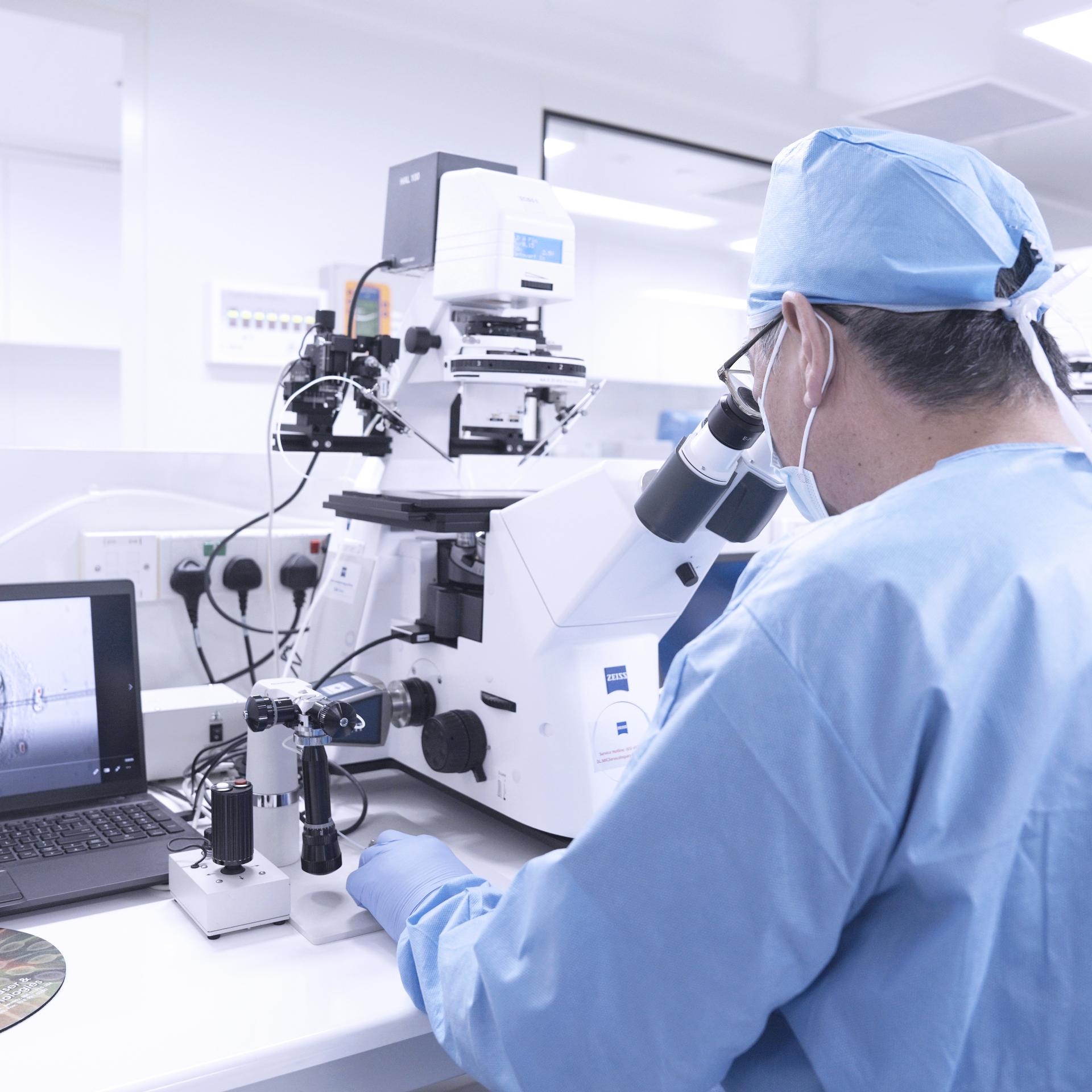
Many IVF failures occur because embryos carry chromosomal abnormalities that prevent successful implantation or development. These abnormalities may not be visible under a microscope during embryo grading. Genetic screening allows doctors to examine the chromosomal structure of embryos before transfer, helping select embryos with the highest potential for a successful pregnancy.
Types of Genetic Screening Used in IVF
PGT-A (Preimplantation Genetic Testing for Aneuploidy)
PGT-A checks embryos for abnormal numbers of chromosomes. Embryos with extra or missing chromosomes often fail to implant or lead to miscarriage. This test helps doctors select chromosomally normal embryos for transfer.
PGT-M (Preimplantation Genetic Testing for Monogenic Disorders)
PGT-M is used when parents carry known genetic diseases. This test helps ensure embryos do not inherit specific genetic conditions.
PGT-SR (Structural Rearrangements)
This test is recommended for couples with chromosomal structural abnormalities such as translocations. It helps identify embryos with balanced chromosomes.
Parental Karyotype Testing
Sometimes IVF failure occurs due to hidden chromosomal rearrangements in one of the parents. A karyotype test evaluates the structure of parental chromosomes.
When Genetic Screening May Be Recommended
- Multiple failed IVF cycles
- Repeated implantation failure
- History of miscarriage
- Advanced maternal age
- Known genetic disorders in family
- Abnormal embryo development
Benefits of Genetic Screening in IVF
Improved Embryo Selection
Genetic testing helps select embryos with normal chromosomes.
Reduced Miscarriage Risk
Chromosomal abnormalities are a major cause of miscarriage.
Higher IVF Success Rates
Selecting healthy embryos may increase implantation success.
Limitations of Genetic Screening
While genetic screening is a powerful tool, it does not guarantee pregnancy. Other factors such as uterine health, hormonal balance, and embryo implantation still play important roles in IVF success.
Wondering If Genetic Testing Could Help Your IVF?
Submit your IVF reports and receive guidance from fertility experts on whether genetic screening may help improve your chances in the next IVF cycle.
उम्मीद अभी बाकी है
Expert IVF Review
Personalized insights based on your reports