
Male Factor Infertility: The Hidden Reason IVF Can Fail
Complete Medical Guide
Many couples focus only on egg quality… but sperm quality is equally important. Even with good embryos, hidden sperm issues can affect IVF success.
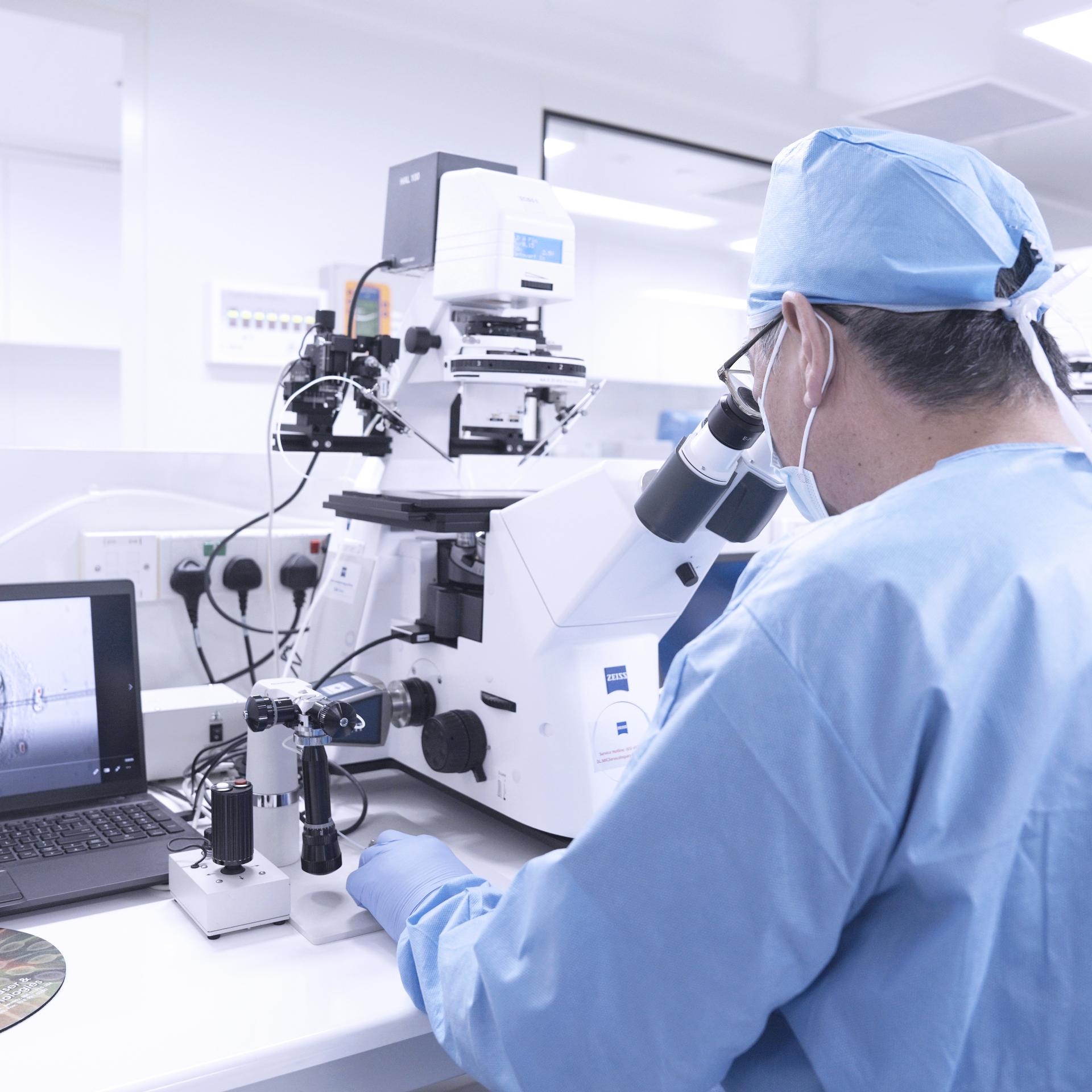
Understanding Male Fertility in Simple Terms
Let’s keep this very simple.
Pregnancy needs two things:
- A healthy egg
- A healthy sperm
The sperm doesn’t just fertilize the egg — it also contributes half of the genetic material needed to create a healthy embryo.
So even if fertilization happens, poor sperm quality can still affect:
- Embryo development
- Embryo quality
- Implantation
Good embryos depend on both egg quality and sperm quality.
Common Male Factors That Affect IVF Success
.png)
1. Sperm DNA Fragmentation (Hidden Damage)
This is one of the most important — and often ignored — issues.
Even if sperm count and movement look normal, the DNA inside the sperm may be damaged.
This is called DNA fragmentation.
When damaged sperm fertilizes an egg, the embryo may:
- Stop growing
- Be of poor quality
- Fail to implant
Everything may look fine at first… but problems appear later during embryo development.
2. Poor Sperm Motility (Movement Problem)
.png)
Motility means how well sperm can swim.
For natural pregnancy, sperm need to travel a long distance to reach the egg.
In IVF, this is less of a problem because doctors help fertilization.
But poor motility can still indicate overall weak sperm health.
This may affect embryo quality even if fertilization occurs.
.png)
3. Abnormal Sperm Shape (Morphology Issues)
Not all sperm are perfectly shaped.
Some may have abnormal heads, tails, or structure.
These sperm may still fertilize an egg, but they may not function properly afterward.
This can affect embryo development and reduce IVF success chances.
4. Genetic Issues in Sperm
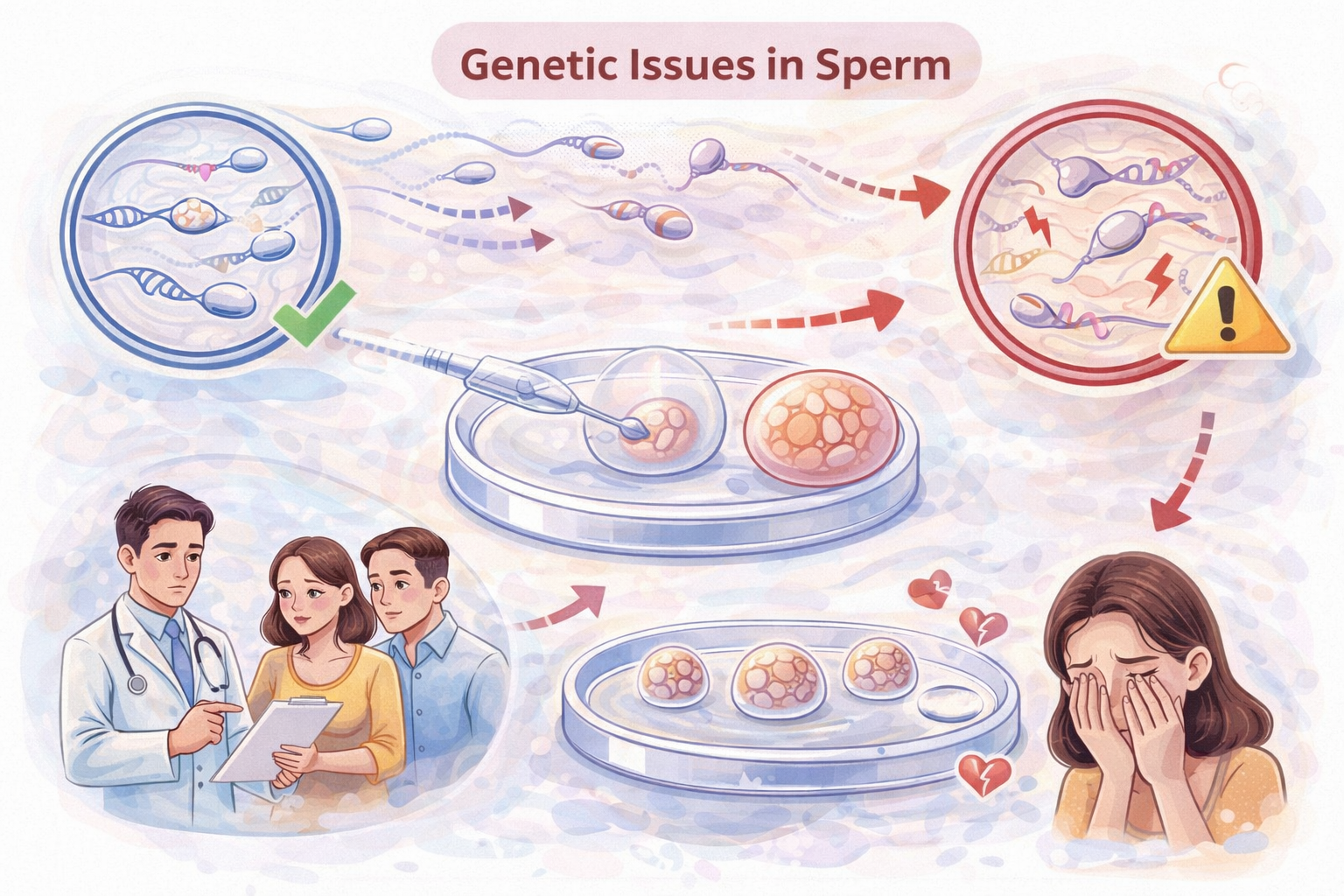
Sometimes the problem is deeper — in the genetic material of sperm.
These issues are not visible in normal semen tests.
They may lead to:
- Poor embryo development
- Implantation failure
- Early miscarriage
This is why repeated IVF failure sometimes needs deeper investigation.
Signs Male Factor Might Be the Issue
- Embryos stop growing before Day-5
- Poor embryo quality repeatedly
- Repeated IVF failure
- Normal reports but no pregnancy
If this sounds familiar, sperm quality may be playing a role.
Can Male Factor Problems Be Improved?
Yes — many male factor issues can be improved or managed.
- Lifestyle improvements
- Medical treatment
- Advanced sperm selection techniques
- Targeted testing (like DNA fragmentation test)
The key is identifying the real issue instead of assuming everything is normal.
Still Not Getting Results After IVF?
If embryo quality is poor or IVF keeps failing, male factors might be the missing piece.
उम्मीद अभी बाकी है
Expert IVF Review
Personalized insights based on your reports