
IVF Laboratory Factors: The Part Patients Never See
Complete Medical Guide
In IVF, a lot happens behind the scenes. Even when eggs and sperm are healthy, the lab environment and handling can influence embryo development.
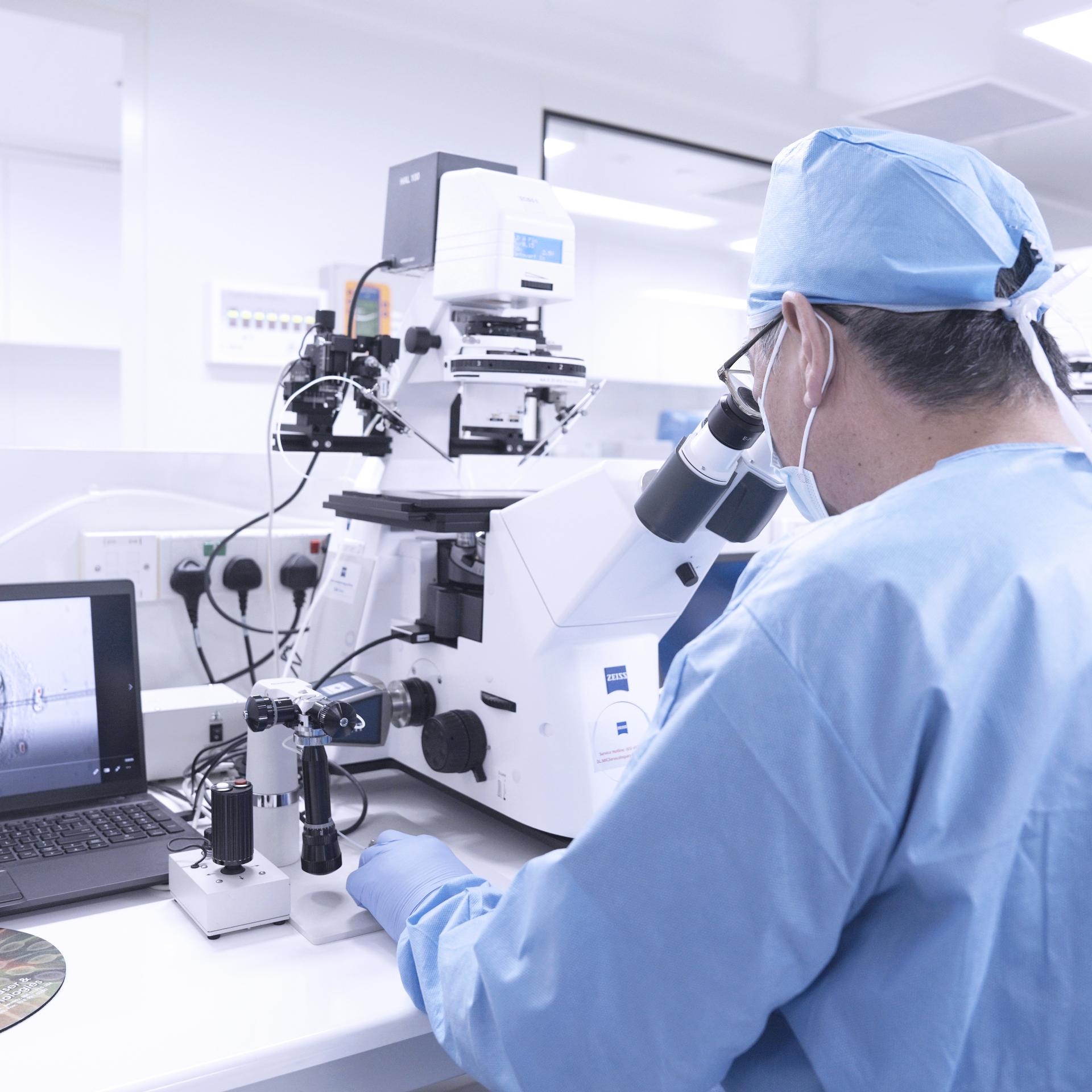
What Happens Inside an IVF Lab?
When people think of IVF, they usually think about injections, egg retrieval, and embryo transfer.
But the most critical part actually happens in the lab.
After eggs are collected, they are combined with sperm and kept in special conditions where embryos develop for several days.
During this time, everything matters:
- Temperature
- Air quality
- Handling of embryos
- Timing
Even small changes in the lab environment can affect embryo development.
Important IVF Laboratory Factors That Affect Success
1. Embryo Culture Environment
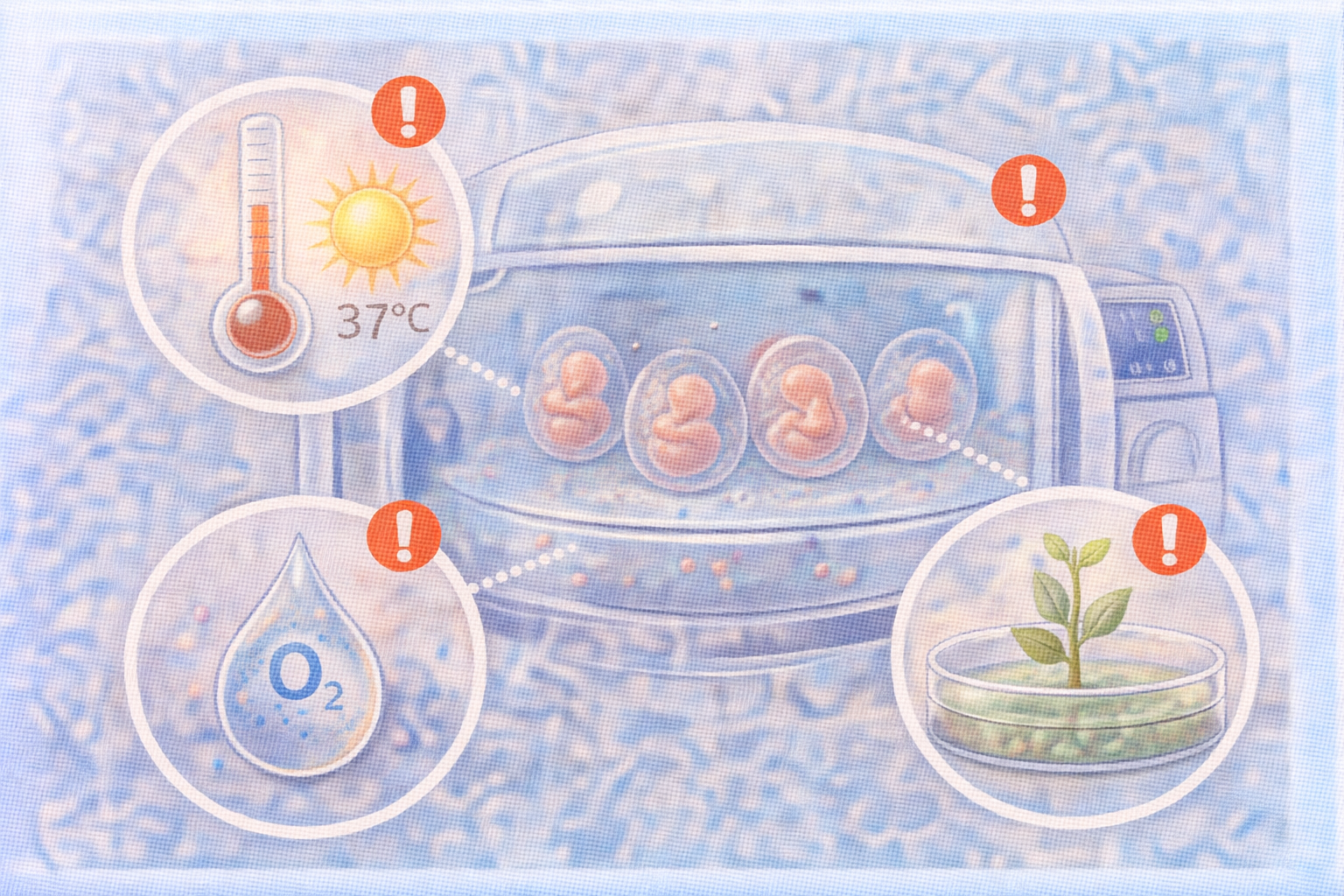
Once fertilization happens, embryos are kept in incubators that mimic the natural environment of the body.
These incubators control temperature, oxygen, and nutrients.
If conditions are not ideal, embryos may not grow properly.
It’s like growing a plant — even a good seed needs the right environment.
Poor culture conditions can lead to embryos stopping development early.
2. Embryologist Expertise (Skill Matters a Lot)
.png)
Embryologists are the professionals who handle eggs, sperm, and embryos in the lab.
Their experience and skill can make a big difference.
They decide:
- Which sperm to use
- Which embryo looks best
- When to transfer
Handling embryos is extremely delicate work — even small mistakes can affect outcomes.
.png)
3. Embryo Freezing Quality (Cryopreservation)
Many IVF cycles involve freezing embryos for later use.
The freezing and thawing process must be done carefully.
If not done properly, embryos may lose quality or may not survive.
Good freezing techniques help preserve embryo health.
Modern labs use advanced methods, but quality still depends on the lab setup and expertise.
4. Embryo Transfer Technique
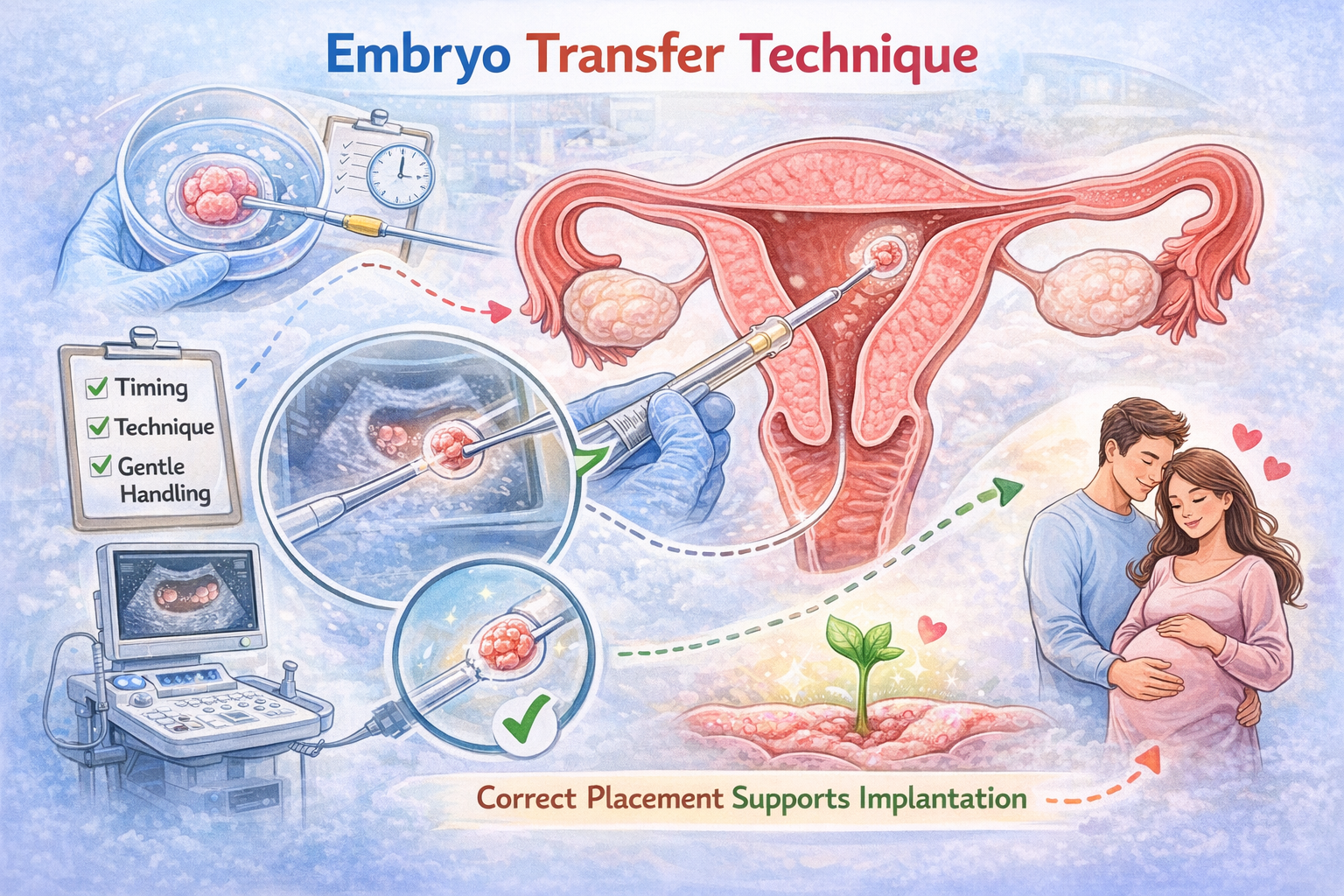
The final step of IVF is placing the embryo into the uterus.
This step may look simple, but it requires precision.
If the embryo is not placed correctly, implantation may not happen.
Timing, technique, and gentle handling are all important.
Even a strong embryo needs correct placement to implant successfully.
Why This Is Often Overlooked
Most patients never see the lab.
So when IVF fails, they assume the problem is always in the body.
But sometimes, the issue may be related to how embryos were handled or developed in the lab.
IVF success is not just about your body — it’s also about the quality of the lab.